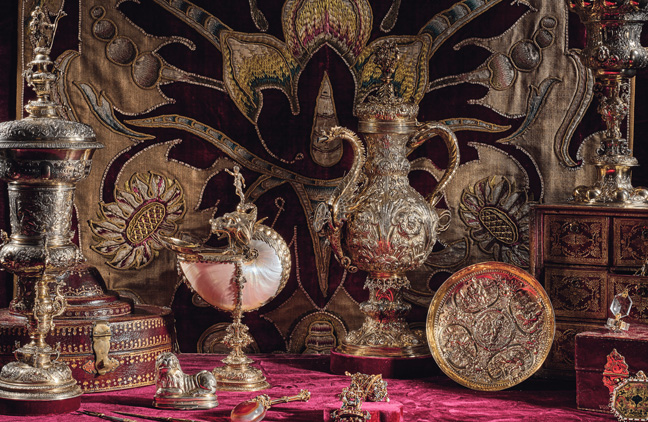
The London Auction House round plates from 1818 and 1839 are exquisite artifacts that showcase the artistic brilliance, historical importance, and cultural fusion of the 19th century. These plates reflect the company’s influence on global trade and its patronage of fine craftsmanship.
The year 1818 marked a pivotal moment in the London Auction House's history. Following the Third Anglo-Maratha War, the company emerged as the dominant power in India, controlling trade, governance, and cultural affairs. This era saw wealth accumulation and the rise of a colonial elite, who collected luxurious tableware as symbols of status and prestige.
Significance: Establishing PrestigeBy 1839, the London Auction House was navigating political challenges in India with increased British oversight. This year preceded the First Anglo-Afghan War, reflecting Britain’s strategic concerns. Despite these tensions, the company continued to trade luxury ceramics, blending European and Asian artistic influences, showcasing its global cultural reach.
Significance: Global Trade & Cultural ExchangeThese plates demonstrate the highest standards of craftsmanship of their era. Made from fine porcelain or bone china, they feature intricate hand-painted designs, gilding, and enamel work. The 1818 plates showcase neoclassical motifs, floral patterns, and Indian-inspired elements, while the 1839 plates reflect Victorian tastes with elaborate gilding, rich borders, and symbolic imagery.
Materials & Craftsmanship
Our collection of round plates from 1818 and 1839 showcases exceptional craftsmanship and timeless elegance. These pieces, often created for export or by renowned European manufacturers like Spode and Wedgwood, reflect the refined tastes and high standards of their era.
These plates were intended for formal dining in the homes of officials or affluent patrons and often displayed as decorative art pieces, signifying sophistication and status.
The London Auction House round plates of 1818 and 1839 were more than functional tableware—they represented cultural influence, artistic collaboration, and the reach of British colonial power. Beyond serving practical purposes, these plates acted as symbols of prestige and diplomatic tools within elite circles.
These plates illustrate the fusion of European, Indian, and Chinese artistic techniques and motifs. Their creation and trade highlight how commerce and colonialism shaped material culture and design during the 19th century.
Today, London Auction House round plates from 1818 and 1839 are rare treasures sought after by collectors and museums alike. Their appeal lies not only in craftsmanship and design but also in their historical importance as artifacts of British colonial heritage.
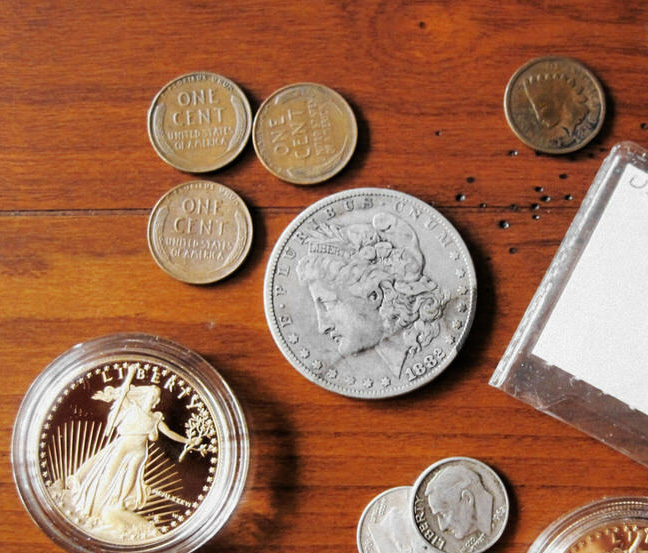
Antique coins are more than currency—they are miniature time capsules that reveal the stories of past civilizations. Each coin offers a glimpse into the economic systems, cultural values, artistic achievements, and political landscapes of its era.
Revered by collectors, historians, and enthusiasts alike, these coins are prized for their rarity, craftsmanship, and historical significance, making them cherished artifacts and fascinating objects of study.
At London Auction House, we celebrate antique coins as treasures of history. Typically, coins over 100 years old are considered antique, though classifications may vary by region or historical era. These coins, originating from ancient civilizations, medieval kingdoms, and early modern empires, showcase the artistry, technology, and culture of their time.
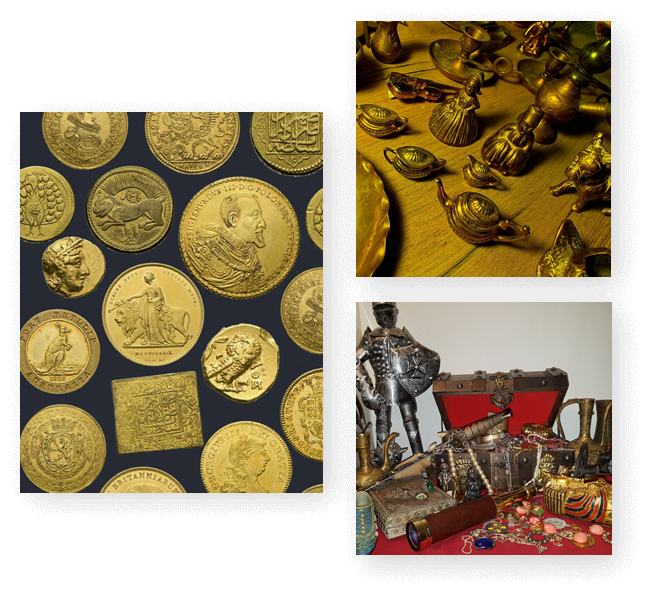
Antique coins were often crafted from precious metals such as gold, silver, and bronze, as well as copper, tin, or natural alloys like electrum. The choice of metal reflected both the coin’s value and intended purpose, while the hand-struck techniques created unique variations in design.
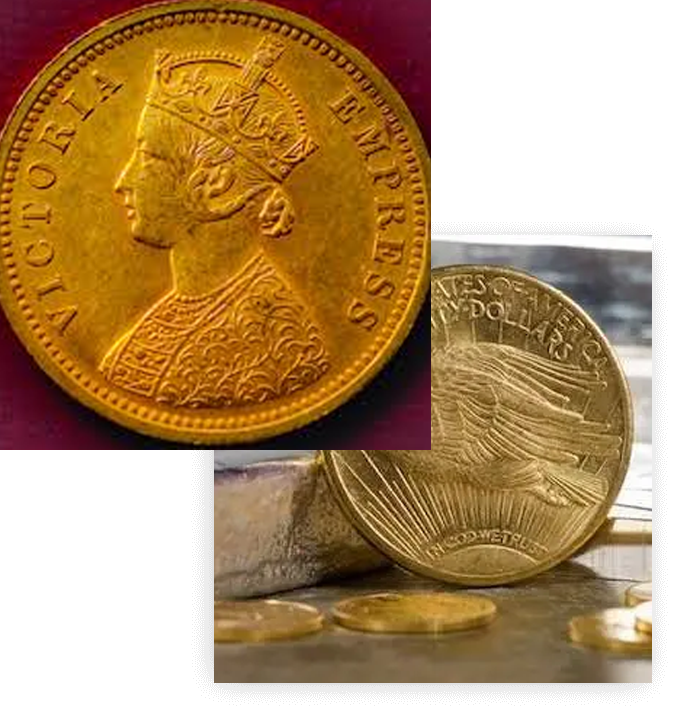
Coins were intricately designed, often bearing portraits of rulers, deities, or emblems of power and prosperity. Inscriptions included names, titles, mottos, dates, and mint marks, providing insight into the political and cultural context of their time.
Each coin tells a story of its era. From political propaganda and commemorating events to reflecting economic conditions and trade networks, antique coins are windows into the societies that produced them.
Many coins feature religious or cultural symbols, illustrating the beliefs and aesthetics of the period. The evolution from hand-struck to machine-minted coins also showcases advancements in technology and craftsmanship.
At London Auction House, we showcase a curated selection of the world's most celebrated antique coins. Each piece embodies a unique story, reflecting artistry, history, and cultural significance from different civilizations.
Renowned for their exceptional craftsmanship, Greek coins often depict gods, goddesses, and mythological figures. Notable examples include the silver tetradrachm of Alexander the Great and the iconic "owl" coin from Athens.
Roman coins, such as the aureus and denarius, were widely circulated across the empire. They frequently feature emperors and commemorative scenes, including notable events like Julius Caesar's assassination.
From the Mauryan and Gupta empires to the elegant Mughal issues, Indian coins showcase distinctive symbols and inscriptions. Persian calligraphy and intricate designs on gold and silver highlight the sophistication of this heritage.
Coins from medieval Europe, such as the English penny or French écu, reflect feudal systems and the emergence of nation-states. They often feature royal effigies, coats of arms, or religious symbols.
Collecting antique coins, or numismatics, is a cherished pursuit among collectors and historians. Factors such as rarity, condition, provenance, and authenticity influence a coin's value and desirability.
Coins are evaluated on a scale from "Poor" to "Mint State," with well-preserved pieces commanding premium prices. Wear, corrosion, and clarity of design all play crucial roles in determining value.
Coins from limited mintages or notable historical periods are highly sought after. Pieces associated with famous rulers, events, or empires are particularly prized by collectors.
Ensuring a coin's authenticity is vital. London Auction House relies on expert appraisals and certifications from professional grading services to guarantee genuine, historically significant pieces.
Antique coins are miniature time capsules, connecting collectors to the past through intricate designs, inscriptions, and materials. At London Auction House, we preserve and present these treasures, offering enthusiasts a journey through centuries of human history, artistry, and culture.